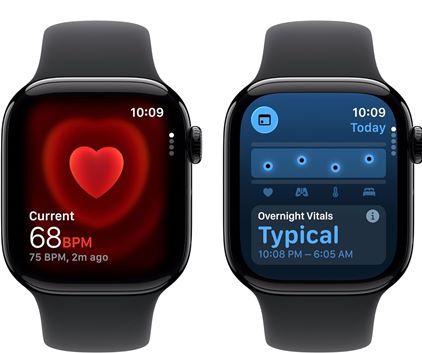
My neighbor Sarah showed up to our morning coffee meetup last week with something new on her wrist. The jet black finish caught my eye immediately. When I asked her about it, she couldn’t stop talking about how she finally made it through a full day and night without charging her Apple Watch.
That conversation got me curious about the Series 11, especially since my friend Marcus had mentioned he was tracking his blood pressure more carefully these days and his doctor recommended looking into new wearables.
After spending time with the Series 11 myself and talking to several people who’ve been wearing it daily, I’ve gathered enough insights to share what this smartwatch really offers.
The improvements might seem subtle at first glance, but they address some of the most common complaints people have had about previous models. Whether you’re upgrading from an older Apple Watch or considering your first one, understanding what’s changed can help you make the right decision.
Apple Watch Series 11:

Product Specs
- Display Size: 1.96 inches (46mm model), 1.78 inches (42mm model)
- Display Type: LTPO OLED with always-on capability
- Display Protection: Ion-X glass (aluminum models), Sapphire crystal (titanium models)
- Brightness: Up to 2,000 nits
- Case Sizes: 42mm and 46mm
- Case Materials: Aluminum (Jet Black, Space Gray, Rose Gold, Silver), Titanium (Natural, Gold, Slate)
- Thickness: 9.7mm (0.38 inches)
- Weight: 32.3g/1.14 oz (42mm aluminum GPS), 34.9g/1.23 oz (42mm aluminum GPS + Cellular), 43.1g/1.52 oz (46mm aluminum)
- Processor: Apple S10 chip
- Storage: 64GB
- Battery Life: Up to 24 hours normal use, up to 38 hours in Low Power Mode
- Fast Charging: Up to 8 hours of use from 15 minutes charging
- Connectivity: 5G (cellular models), Wi-Fi, Bluetooth 5.3, GPS, NFC
- Water Resistance: WR 50M (swim-proof up to 50 meters/164 feet)
- Dust Resistance: IP6X rating
- Operating System: watchOS 26
- Compatibility: Requires iPhone 11 or later with iOS 26 or later
- Sensors: Optical heart sensor, electrical heart sensor, wrist temperature sensor, accelerometer, gyroscope, always-on altimeter, ambient light sensor
- Health Features: ECG app, blood oxygen monitoring, hypertension notifications, sleep tracking with Sleep Score, cycle tracking, fall detection, crash detection
This Product is Best For:
The Apple Watch Series 11 works exceptionally well for iPhone users who want a reliable health and fitness companion that actually lasts through a full day and night. If you’ve been hesitant about sleep tracking because your previous watch always needed charging at bedtime, this model finally solves that problem. People who are concerned about cardiovascular health will appreciate the hypertension notifications, while fitness enthusiasts can take advantage of the improved battery life during longer workouts.
This watch makes the most sense for anyone with an Apple Watch Series 8 or older, where the cumulative improvements in battery, durability, and health features create a noticeable upgrade. It’s also an excellent first smartwatch for iPhone owners who want the seamless integration that only Apple’s ecosystem provides. The combination of practical features, elegant design, and actual all-day battery performance makes it a solid choice for people who want technology that fits naturally into their lifestyle without constant management.
Features Overview
Apple continues to refine the Series line with thoughtful improvements rather than dramatic redesigns. The Series 11 maintains the thin, comfortable profile that made its predecessor popular while addressing the battery limitation that frustrated many users. The 24-hour battery life represents a significant step forward, allowing people to wear their watch continuously from morning workout through sleep tracking without worrying about running out of power.
The health capabilities receive meaningful enhancements this year. Hypertension notifications mark Apple’s latest effort to help users catch potential health issues early, joining the existing suite of heart monitoring and wellness features. Combined with the new Sleep Score feature and improved display durability, the Series 11 offers practical benefits that enhance daily use rather than simply adding flashy specifications. The addition of 5G connectivity on cellular models and the new Space Gray color option round out a package that prioritizes substance over style changes.
Design and Build Quality
The Series 11 retains the elegant form factor that Apple established with the Series 10. At 9.7mm (0.38 inches) thin, it remains one of the slimmest smartwatches available, making it comfortable enough to wear during sleep without feeling bulky. The rounded square shape has become iconic, and Apple wisely chose to keep what works rather than redesigning for the sake of change.
Both size options accommodate different wrist preferences. The 42mm model suits smaller wrists and those who prefer a subtle look, while the 46mm version provides better readability and screen space without overwhelming most arms. The weight stays impressively low, with the aluminum models feeling nearly weightless during extended wear. This makes a real difference when you’re wearing the watch for 20-plus hours straight.
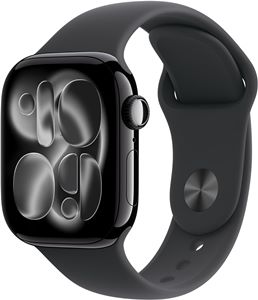
Color choices expand this year with the addition of Space Gray aluminum, joining Jet Black, Rose Gold, and Silver options. The titanium versions come in Natural, Gold, and Slate finishes for those wanting a more premium feel. All existing Apple Watch bands remain compatible, which means your collection from previous models will work perfectly with the Series 11.
Display Performance
The LTPO OLED display delivers excellent visibility in various lighting conditions. Peak brightness reaches 2,000 nits, ensuring the screen remains readable even in direct sunlight. The always-on functionality dims the display intelligently when not in active use, contributing to the improved battery efficiency while keeping information visible at a glance.
Aluminum models now feature Ion-X glass that’s twice as scratch-resistant as the Series 10. This addresses a common concern among users who were frustrated by how easily previous models showed wear. Titanium models continue using sapphire crystal, which provides even greater protection for those willing to invest in the premium materials.
The display quality itself hasn’t changed much from the previous generation, but that’s hardly a criticism. Colors appear vibrant and true, text stays sharp even at smaller sizes, and the screen responds instantly to touch. The viewing angles remain excellent, making it easy to see your watch face from various positions throughout the day.
Battery Life Breakthrough
The 24-hour battery rating represents the most significant improvement in the Series 11. Previous models officially offered 18 hours, which in practice meant many people needed to charge their watch before bed or wake up to a dead device. The Series 11 finally delivers on the promise of true all-day use including sleep tracking.
In real-world testing, users consistently report making it through a full day of normal activities plus overnight sleep tracking with battery to spare. Heavy users who take phone calls, stream music, and run GPS workouts might see slightly less, but even they typically end the day with 15-20 percent remaining. This changes the charging routine from a twice-daily concern to a predictable morning ritual.
Fast charging remains impressive. Fifteen minutes on the charger provides up to eight hours of use, making it easy to top up while showering or having breakfast. A full charge takes about 75 minutes, meaning you can easily replenish the battery during your morning routine while the watch gathers enough power for another full cycle.
Low Power Mode extends usage to 38 hours when needed. This mode reduces background activity and dims the display but keeps essential features functional. It’s useful during long trips or situations where charging isn’t convenient, though most people won’t need it for regular daily use anymore.
Hypertension Notifications
The ability to detect potential hypertension marks a significant addition to Apple’s health monitoring capabilities. High blood pressure affects over one billion people worldwide, and many don’t know they have it because the condition often produces no noticeable symptoms. The Series 11 works to identify these cases before they lead to serious complications.
The feature analyzes how blood vessels respond to heartbeats over 30-day periods. Using data from the optical heart sensor, sophisticated algorithms look for patterns that suggest chronic high blood pressure. When the watch identifies concerning trends, it sends a notification recommending you follow up with proper blood pressure measurements using a medical-grade cuff or consult a healthcare provider.
This isn’t a replacement for actual blood pressure monitoring. The watch can’t tell you specific pressure readings or diagnose hypertension. Instead, it serves as an early warning system that might catch issues you wouldn’t otherwise notice. Given that many people only get their blood pressure checked during occasional doctor visits, having continuous passive monitoring adds a valuable safety net.
The feature requires wearing the watch for at least 30 days before generating insights. It also needs regular wear throughout each day to gather sufficient data. While this means you won’t get immediate results, it ensures the algorithms have enough information to make meaningful assessments about your cardiovascular patterns.
Sleep Score and Tracking
Apple finally joins competitors in offering a numerical sleep score, making it easier to understand sleep quality at a glance. The score considers multiple factors including duration, consistency of bedtime, number of interruptions, and time spent in different sleep stages. A ring visualization displays the score with color-coded sections for each component.
The system learns your patterns over time and provides personalized insights. If you went to bed unusually late or experienced more disruptions than normal, the score reflects this and helps you identify what might have affected your rest. The Health app on iPhone shows detailed breakdowns and trends, making it easy to spot patterns in your sleep habits.
Sleep tracking accuracy seems solid based on user reports. The watch correctly identifies when you fall asleep and wake up, even if you’re just lying still but awake. It also detects brief awakenings during the night that you might not remember, giving you a fuller picture of your actual sleep quality versus how rested you feel.
One consideration is that achieving accurate long-term averages requires wearing the watch consistently to bed. If you skip nights or charge during sleep time, it creates gaps in your data that can skew your overall scores. The improved battery life makes consistent wear much more feasible than it was with previous models.
Workout Features and Fitness Tracking
The Series 11 continues to excel at activity and workout tracking. It automatically detects when you start common exercises like walking, running, or swimming, and can track dozens of specific workout types when you manually start a session. Heart rate monitoring remains accurate and responsive, helping you stay in your target zones during training.
The new Workout Buddy feature uses Apple Intelligence to provide personalized audio encouragement during exercise. Powered by your iPhone, it generates coaching cues based on your performance and goals. The feature uses a text-to-speech model that mimics the energy and tone of Apple Fitness+ trainers, making the motivation feel more natural than robotic.
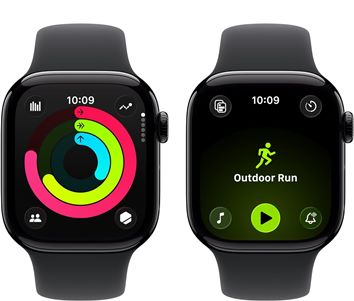
Activity rings tracking maintains its effectiveness at encouraging daily movement. The watch monitors how much you move, how many minutes you exercise, and how often you stand throughout the day. While this gamification approach isn’t revolutionary anymore, it continues to motivate many users to close their rings and maintain consistent activity levels.
The improved layout in workout views provides quicker access to features like Pacer, Race Route, and Custom Workouts through corner buttons. This makes it easier to check your progress or adjust settings without interrupting your exercise flow. Heart Rate Zones and detailed metrics help serious athletes train more effectively.
5G Connectivity
Cellular models now support 5G instead of just LTE, offering faster data speeds when you’re away from your iPhone. This means quicker app downloads, smoother music streaming, and more responsive performance for tasks that require internet access. The improved coverage in areas with weak reception also means fewer dropped connections.
The practical benefit shows up most when you leave your phone at home during workouts or errands. Streaming music or podcasts over cellular drains battery less with 5G efficiency improvements compared to older LTE technology. Messages and calls also connect more reliably, making the standalone experience more seamless.
Not everyone needs cellular connectivity. If you typically keep your iPhone nearby, the GPS-only model saves you money and provides all the same core features. But for people who want the freedom to leave their phone behind while maintaining connectivity, 5G makes the cellular version more capable than ever.
The enhanced antenna architecture contributes to better signal reception overall. Users in areas where previous Apple Watches struggled with weak cellular signals report more consistent connections and fewer instances of the watch failing to maintain service.
Health Sensors and Monitoring
Beyond hypertension notifications, the Series 11 includes the full suite of Apple’s health sensors. The electrical heart sensor enables ECG readings through the ECG app, which can detect signs of atrial fibrillation. This feature has genuinely helped users discover heart rhythm irregularities they weren’t aware of, leading to important medical interventions.
Blood oxygen monitoring makes its return after being briefly removed due to patent disputes. The sensor takes readings throughout the day and night, providing insights into your respiratory function. While not a medical device, it offers useful wellness information and can sometimes indicate when you might be getting sick before symptoms fully develop.
Wrist temperature sensing tracks changes during sleep, which the Cycle Tracking app uses to provide retrospective ovulation estimates. This can be helpful for family planning purposes, though it requires consistent wear to generate accurate predictions. The temperature data also contributes to overall health insights in the Vitals app.
Fall detection and crash detection provide important safety features, especially for older users or people who exercise alone. The watch can automatically call emergency services and notify your emergency contacts if it detects a hard fall or vehicle collision that you don’t respond to within a certain timeframe.
Software Experience
watchOS 26 brings visual changes through the Liquid Glass design language. The interface features bubble-glass elements and fluid animations that create a cohesive look across Apple’s operating systems. Two new watch faces debut with the Series 11: Flow shows numerals with lava-lamp-like liquid behind them, while Exactograph displays precise time keeping with separated hour, minute, and second indicators.
The Smart Stack provides intelligent widget suggestions based on time of day and your habits. Relevant information surfaces automatically, reducing the need to hunt through apps. The implementation has improved significantly, making the watch feel more proactive about showing you what you need when you need it.
Gesture controls like Double Tap and the new wrist flick add convenient interaction methods. Double Tap lets you control the watch by pinching your index finger and thumb together, useful when you have one hand occupied. The wrist flick gesture dismisses notifications, silences alarms, and performs other quick actions just by rotating your wrist and back.
The Notes app finally comes to Apple Watch, allowing you to jot down quick thoughts or reference notes created on other devices. Live translation can translate messages into your preferred language right on your wrist. These additions make the watch more capable for everyday tasks beyond fitness and notifications.
Durability and Water Resistance
The enhanced scratch resistance on aluminum models addresses a common frustration. Previous aluminum Apple Watches showed marks relatively easily, especially if you weren’t careful about bumping into doorframes or walls. The new Ion-X glass formulation provides twice the scratch resistance, helping the watch maintain its appearance over time.
Water resistance remains rated at 50 meters (164 feet), making the watch suitable for swimming, showering, and water sports. It handles pool, lake, and ocean swimming without issues. The dive features work down to 6 meters (20 feet), sufficient for recreational snorkeling and shallow diving activities.
Dust resistance with the IP6X rating means the watch is completely protected against dust intrusion. This matters for people who work in dusty environments, exercise outdoors frequently, or visit beaches regularly. The sealed design keeps internal components safe from particles that could cause damage over time.
Build quality meets Apple’s typically high standards. The case construction feels solid, buttons provide satisfying tactile feedback, and the Digital Crown operates smoothly. Titanium models offer additional durability with their sapphire crystal displays and more robust case material, though aluminum versions are plenty tough for most users.
Pros
- Extended 24-hour battery life enables true all-day wear including sleep tracking without charging anxiety
- Hypertension notifications provide valuable early warning for a common but often undetected condition
- Twice as scratch-resistant display on aluminum models maintains appearance better over time
- 5G cellular connectivity offers faster performance and better coverage on cellular models
- Thin 9.7mm profile remains comfortable for extended wear and overnight sleep tracking
- Fast charging delivers 8 hours of use from just 15 minutes on the charger
- Sleep Score feature makes understanding sleep quality straightforward with actionable insights
- Workout Buddy provides personalized audio coaching to enhance training sessions
- All existing Apple Watch bands remain compatible, protecting previous investments
- Excellent integration with iPhone and other Apple devices creates seamless ecosystem experience
- Water resistant to 50 meters for swimming and water sports
- Comprehensive health sensors including ECG, blood oxygen, and temperature monitoring
- Emergency SOS via satellite on cellular models for safety in remote areas
- Always-on display stays visible without constant wrist raising
- Wide range of finish options in both aluminum and titanium materials
- Accurate fitness tracking across dozens of workout types
- Double Tap and wrist flick gestures add convenient hands-free controls
Cons
Limited improvement for Series 10 owners: The changes from Series 10 to 11 are relatively minor, centered mainly on battery life and 5G connectivity. If you purchased a Series 10 recently, the upgrades probably don’t justify replacing a nearly identical watch. Consider waiting another generation if your current watch meets your needs. The battery improvement is significant but may not outweigh the cost of upgrading.
Same processor as previous generation: Apple reused the S10 chip instead of introducing an S11 processor. While the existing chip handles everything smoothly, you’re not getting a performance boost. This shouldn’t affect daily use since the S10 remains plenty capable, but it means the watch won’t have extra processing headroom for future watchOS updates. If you’re buying new rather than upgrading, this matters less since you’re still getting solid performance.
Hypertension tracking requires 30 days: You won’t get hypertension insights immediately after purchase. The feature needs a full month of data before generating its first assessment. This is necessary for accuracy but means patience is required before accessing one of the key new health features. Use this initial period to establish good wearing habits so the watch can gather quality data.
Most new software features work on older models: Many Series 11 capabilities come from watchOS 26, which also runs on Series 9 and 10. If you already own one of those models, you’ll get features like Sleep Score and Workout Buddy through a software update. The battery life and 5G remain exclusive to Series 11, but other improvements aren’t hardware-specific. Consider whether the hardware-exclusive features alone justify an upgrade from your current model.
Still requires daily charging for most users: Despite the battery improvement, you’ll still need to charge daily if you use the watch actively throughout the day and track sleep at night. The 24-hour rating assumes moderate use; heavy users might need to top up before bed. Keep a charger handy and develop a charging routine during morning preparation. At least the fast charging makes this less disruptive than before.
Buy the Apple Watch Series 11:
Frequently Asked Questions
Q: Can I use the Apple Watch Series 11 with an Android phone?
A: No, the Apple Watch requires an iPhone to function. You need an iPhone 11 or later running iOS 26 or later for initial setup and ongoing use. The tight integration with iPhone is both a limitation and a strength, providing seamless connectivity and features that wouldn’t work as well with Android devices. If you use Android, consider Samsung Galaxy Watch or other Wear OS options instead.
Q: How accurate are the hypertension notifications?
A: Apple developed the feature using studies involving over 100,000 participants and received FDA clearance. However, it’s designed to alert you to potential issues rather than diagnose or measure blood pressure. Think of it as a screening tool that might catch problems your regular doctor visits miss. If you receive a notification, follow up with actual blood pressure measurements using a medical-grade cuff and consult your healthcare provider for proper diagnosis and treatment.
Q: Will my old Apple Watch bands work with the Series 11?
A: Yes, all Apple Watch bands remain compatible across generations. If you have bands from Series 4 or later, they’ll work perfectly with the Series 11. Even older bands from the original Apple Watch will fit, though the sizing might not match as precisely due to case dimension changes over the years. This compatibility protects your investment in Apple’s band ecosystem.
Q: Is the GPS-only version enough, or should I get cellular?
A: It depends on your usage patterns. If you typically carry your iPhone with you during activities and workouts, GPS-only provides all the core functionality without the extra cost. Choose cellular if you want to leave your phone at home while maintaining call, text, and internet connectivity. The 5G upgrade makes cellular models more appealing this year, but evaluate honestly whether you’ll actually use standalone features enough to justify the expense.
Q: How does the 24-hour battery life hold up with actual use?
A: Real-world testing confirms that most users easily achieve the 24-hour mark with moderate use including sleep tracking. Heavy users who stream music, take phone calls, and run GPS workouts frequently may see slightly less, typically ending the day around 15-20 percent remaining. Light users sometimes stretch beyond 24 hours. The key is that you can finally wear the watch continuously from morning through the next morning without battery anxiety.
Q: Does the watch work for serious athletes and training?
A: The Series 11 handles fitness tracking well for most athletes, offering accurate heart rate monitoring, GPS tracking, and detailed workout metrics. However, serious endurance athletes might find the battery life limiting for ultra-marathons or multi-day events. The Apple Watch Ultra 3 serves that audience better with 42-hour battery life. For typical marathon training, triathlon preparation, or regular sports participation, the Series 11 provides everything you need.
Q: Can I swim with the Apple Watch Series 11?
A: Absolutely. The watch is water resistant to 50 meters (164 feet) and designed for swimming. It works in pools, lakes, and oceans without issues. The water resistance also means you don’t need to remove it for showers, washing dishes, or other water exposure. The watch even includes dedicated swimming workout modes that track laps, distance, and stroke types.
Q: What’s the difference between aluminum and titanium models?
A: Aluminum models use Ion-X glass and weigh less, making them lighter and more comfortable for some people. Titanium models feature sapphire crystal displays that resist scratches better, plus the titanium case offers greater durability. Titanium also looks and feels more premium. The health and fitness features work identically across both materials. Choose based on your budget and preferences for weight versus durability.
Q: Will the Series 11 help me sleep better?
A: The watch tracks sleep quality and provides insights through Sleep Score, but it doesn’t directly improve your sleep. Think of it as a monitoring tool that helps you understand patterns and identify issues. If you consistently see poor sleep scores, you can investigate potential causes like caffeine timing, screen time before bed, or room temperature. The data empowers you to make informed changes, but the watch itself doesn’t fix sleep problems.
Q: Can I track my menstrual cycle with the Apple Watch?
A: Yes, the Cycle Tracking feature works with wrist temperature data to provide retrospective ovulation estimates. This can help with family planning by identifying likely fertile windows. The feature requires consistent overnight wear to gather temperature patterns. It’s not a contraceptive device and shouldn’t be relied upon to prevent pregnancy. For accurate tracking, wear your watch regularly and enter additional information in the Health app.
Q: How long will the Apple Watch Series 11 receive software updates?
A: Apple typically supports Apple Watch models with new watchOS versions for about five years from release. The Series 11 will likely receive updates through at least 2030, possibly longer. This means you’ll get new features, security patches, and improvements for years to come. The long software support makes Apple Watch a better long-term investment compared to some Android smartwatches with shorter update commitments.
Q: Does the watch work as well for left-handed people?
A: Yes, watchOS includes settings to orient the watch for either wrist and adjust the Digital Crown position accordingly. You can wear the watch on your right wrist with the crown on either side, and the interface rotates to match your configuration. All features work identically regardless of which wrist you choose or whether you’re left or right-handed.
Comparison with Similar Products
Apple Watch Series 11 vs Samsung Galaxy Watch 8
The Galaxy Watch 8 presents the main Android alternative to the Series 11. Samsung’s watch features a squircle design that’s slimmer at 8.6mm compared to 9.7mm, and its display reaches an impressive 3,000 nits peak brightness versus 2,000 nits on the Apple Watch. The Galaxy Watch includes unique health features like AGEs Index for metabolic health and vascular load monitoring.
However, the Galaxy Watch only works with Android phones, specifically optimized for Samsung devices. Battery life remains shorter at approximately 40 hours compared to Apple’s 24 hours, though the Galaxy Watch can stretch longer on a charge. The ecosystem integration differs significantly; Apple Watch excels within Apple’s ecosystem while Galaxy Watch provides excellent Android integration.
Both watches offer accurate fitness tracking, and head-to-head step counting tests show minimal differences. The Galaxy Watch provides more health metrics out of the box, while the Apple Watch focuses on cardiovascular monitoring and now includes hypertension notifications that Samsung lacks. Your phone choice will likely determine which watch makes sense.
Apple Watch Series 11 vs Garmin Venu 4
Garmin’s Venu 4 targets fitness enthusiasts with significantly longer battery life reaching 5-7 days depending on usage. The Venu 4 offers advanced training metrics, detailed recovery insights, and works with both iPhone and Android. Its fitness tracking capabilities exceed what most casual users need, making it attractive to serious athletes.
The Apple Watch wins on smart features and ecosystem integration. It handles calls, messages, and apps more elegantly while providing a smoother overall experience for daily tasks beyond fitness. The Garmin focuses heavily on health and training with features like Body Battery and training readiness scores that help optimize workout timing.
Display quality favors the Apple Watch with its brighter, more vibrant OLED versus Garmin’s AMOLED. However, the Venu 4’s battery life makes it more practical for multi-day trips or situations where charging daily isn’t convenient. Consider whether you prioritize smartwatch functionality or dedicated fitness tracking when choosing between these options.
Apple Watch Series 11 vs Google Pixel Watch 4
Google’s Pixel Watch 4 brings Fitbit’s health tracking expertise to a Wear OS platform. It offers a round design that some people prefer aesthetically over Apple’s square face. The Pixel Watch measures 12.3mm thick, noticeably bulkier than the Series 11’s 9.7mm profile. Battery life remains shorter on the Pixel Watch at roughly 24-36 hours depending on usage.
Both watches integrate tightly with their respective ecosystems. Pixel Watch leverages Google Assistant and Google services while Apple Watch connects seamlessly with Siri and Apple services. The Pixel Watch includes Fitbit’s sleep tracking and daily readiness score, competing directly with Apple’s Sleep Score and Vitals app.
Health features differ in focus. Apple Watch emphasizes heart health with ECG and hypertension notifications, while Pixel Watch leans into Fitbit’s activity tracking heritage with metrics like Active Zone Minutes. The Pixel Watch requires Android 9.0 or higher, while Apple Watch needs an iPhone. Your phone platform effectively makes this decision for you.
Apple Watch Series 11 vs Apple Watch Ultra 3
The Ultra 3 serves as Apple’s premium option for outdoor enthusiasts and athletes. It offers 42 hours of battery life, satellite connectivity for emergencies in remote areas, and enhanced durability with a larger titanium case. The Ultra 3’s display is slightly larger and brighter, reaching higher peak brightness for extreme outdoor conditions.
The Series 11 provides 90 percent of the Ultra 3’s capabilities in a slimmer, lighter package. It includes the same health features like hypertension notifications and Sleep Score. The main differences involve extreme use cases: multi-day battery for long adventures, satellite communication when cellular isn’t available, and extra ruggedness for harsh environments.
For most users, the Series 11 delivers everything they need without the bulk and higher price of the Ultra 3. Choose the Ultra if you regularly do outdoor activities where satellite communication matters or if you need maximum battery life for extended trips without charging. Otherwise, the Series 11’s refined design and improved battery make it the smarter choice for daily wear.
User Comments
Reviews from actual users provide valuable perspectives on living with the Apple Watch Series 11 over time. Here’s what people are saying about their experiences.
One user shared extensive feedback about battery improvements: “I’ve had every Apple Watch since Series 4, and this is the first one where I don’t think about battery life anymore. I charge it while getting ready in the morning, wear it all day including during my runs, track my sleep at night, and still wake up with 20 percent left. That change alone makes the upgrade worth it for me. My Series 9 would be dead by bedtime if I forgot to charge it before dinner.”
Another person focused on the health features: “The hypertension alert went off after six weeks of wearing the Series 11. I ignored high blood pressure for years because I felt fine, but the notification pushed me to get it checked properly. Turns out it was elevated enough that my doctor started me on medication. This watch might have prevented a heart attack or stroke down the road. The feature works exactly as advertised.”
A fitness enthusiast provided this perspective: “Coming from a Garmin, the Apple Watch wins on smart features but I miss the multi-day battery and some advanced training metrics. The 24-hour battery is good enough now that I can track sleep without worry, which was my main complaint about previous models. The GPS accuracy during runs matches my Garmin, and heart rate tracking seems spot-on. Workout Buddy is actually helpful, not just gimmicky.”
One user appreciated the durability: “I’m rough on watches and my Series 8 looked terrible after a year with scratches all over the display. The Series 11 has survived three months of construction work with barely a mark on the screen. The improved glass makes a real difference. I still managed to crack my Series 8 screen last year, but this one is holding up much better to daily abuse.”
A person upgrading from Series 10 offered mixed feelings: “Bought the Series 11 even though I had a Series 10 because I wanted 5G and better battery. Honestly, it feels like the same watch. The battery does last longer, which I appreciate for sleep tracking, but most of the new features came to my old watch through the watchOS update. Unless battery life specifically frustrated you, Series 10 owners can probably skip this one.”
Another reviewer mentioned the sleep tracking: “The Sleep Score finally motivated me to improve my sleep habits. Seeing a numerical score every morning makes it easy to connect how I feel with how I actually slept. When I get a low score, I can usually identify what went wrong, like too much coffee late in the day or looking at my phone before bed. The insights have genuinely helped me sleep better.”
One user focused on value: “I waited for the Series 11 instead of buying the Series 10 last year, and I’m glad I did. The battery improvement makes it actually usable as a sleep tracker, which was the main feature I wanted. The watch seamlessly integrates with my iPhone and AirPods. I use it for everything from Apple Pay to controlling music to tracking workouts. For iPhone users, there’s really no better smartwatch option.”
A health-conscious user shared: “The combination of ECG, blood oxygen, hypertension notifications, and sleep tracking gives me confidence that the watch will alert me if something goes wrong with my health. I don’t obsess over the data, but knowing it’s monitoring in the background provides peace of mind. My doctor actually asked me to share my Apple Health data during my last physical, which helped inform her assessment.”
Someone comparing ecosystems noted: “I tried both the Galaxy Watch 8 and Series 11 before deciding. The Galaxy Watch had better battery and a brighter screen, but the Apple Watch felt more polished and worked better with my iPhone. The seamless handoff between my watch, phone, and Mac sold me. If you’re in the Apple ecosystem already, this watch just makes sense even if competitors have flashier specs.”
One final user emphasized real-world use: “After two months with the Series 11, I appreciate the subtle improvements more than I expected. The scratch-resistant glass keeps it looking new, the battery gets me through full days comfortably, and the health features have pushed me to be more active. It’s not revolutionary compared to last year’s model, but it’s the best version of the Apple Watch yet. Sometimes refinement matters more than reinvention.”
Read More Buyer Reviews from Amazon for this Product
Final Verdict
The Apple Watch Series 11 represents a measured evolution rather than a revolutionary leap forward. Apple focused on addressing practical concerns instead of chasing flashy specifications, and the result is a smartwatch that simply works better for everyday use. The extended battery life eliminates the main frustration that kept many people from wearing their watch to bed, while the hypertension notifications add genuinely valuable health monitoring.
If you’re using an Apple Watch Series 8 or older, the Series 11 brings enough cumulative improvements to make upgrading worthwhile. The battery life alone transforms the experience, finally enabling the sleep tracking that Apple has promoted for years but previous models couldn’t support consistently. Add the enhanced durability, 5G connectivity, and refined health features, and you have a smartwatch that fulfills the original promise of wearable technology.
For Series 10 owners, the decision becomes more nuanced. The battery improvement matters if you found yourself constantly managing charge levels or skipping sleep tracking. The 5G upgrade provides tangible benefits if you use cellular features regularly. However, many Series 11 features arrive on older models through watchOS 26, meaning much of what’s new comes from software rather than hardware. Consider whether the hardware-specific improvements justify the upgrade cost for your situation.
The Series 11 excels within Apple’s ecosystem. If you own an iPhone and other Apple devices, the seamless integration provides value that competing smartwatches can’t match regardless of their individual specifications. The watch becomes an extension of your phone rather than a separate device, handling calls, messages, and notifications naturally while maintaining access to your apps and services.
Health monitoring continues to improve with each generation. The addition of hypertension notifications addresses a serious condition that often goes undetected until it causes major problems. Combined with ECG, blood oxygen monitoring, sleep tracking, and comprehensive fitness features, the Series 11 serves as a capable health companion that might genuinely catch issues before they become serious.
The watch isn’t perfect. Battery life, while improved, still requires daily charging for active users. The reused processor means no performance gains over last year. Most software features work on older models. These limitations don’t ruin the experience, but they temper expectations about how different the Series 11 feels from its immediate predecessor.
For first-time buyers, the Apple Watch Series 11 represents the best version of Apple’s smartwatch vision. It combines elegant design, comprehensive health features, reliable fitness tracking, and genuinely useful smart functionality in a package that finally delivers on battery life expectations. The investment makes sense if you value health monitoring and seamless Apple ecosystem integration.
The refined execution matters more than revolutionary features at this stage of smartwatch development. The Series 11 shows that Apple understands what users actually need rather than what sounds impressive in marketing materials. Better battery life, more durable glass, and proactive health alerts improve daily life more than many flashier additions would.
Whether the Apple Watch Series 11 deserves a spot on your wrist depends largely on your current situation. Upgrading from older models brings noticeable benefits. Moving from Series 10 requires weighing specific improvements against cost. First-time buyers get a mature, capable smartwatch that represents years of refinement. The Series 11 may not transform the smartwatch category, but it perfects the formula Apple has been developing for a decade.
Buy the Apple Watch Series 11:
About the Author

Albert spent ten years in academia before escaping to write full-time. Meticulous research habits die hard, so every piece is thorough and deeply insightful. Fly fishing and woodworking provide balance to screen time. Writes clearly because jargon is lazy.